

Overview
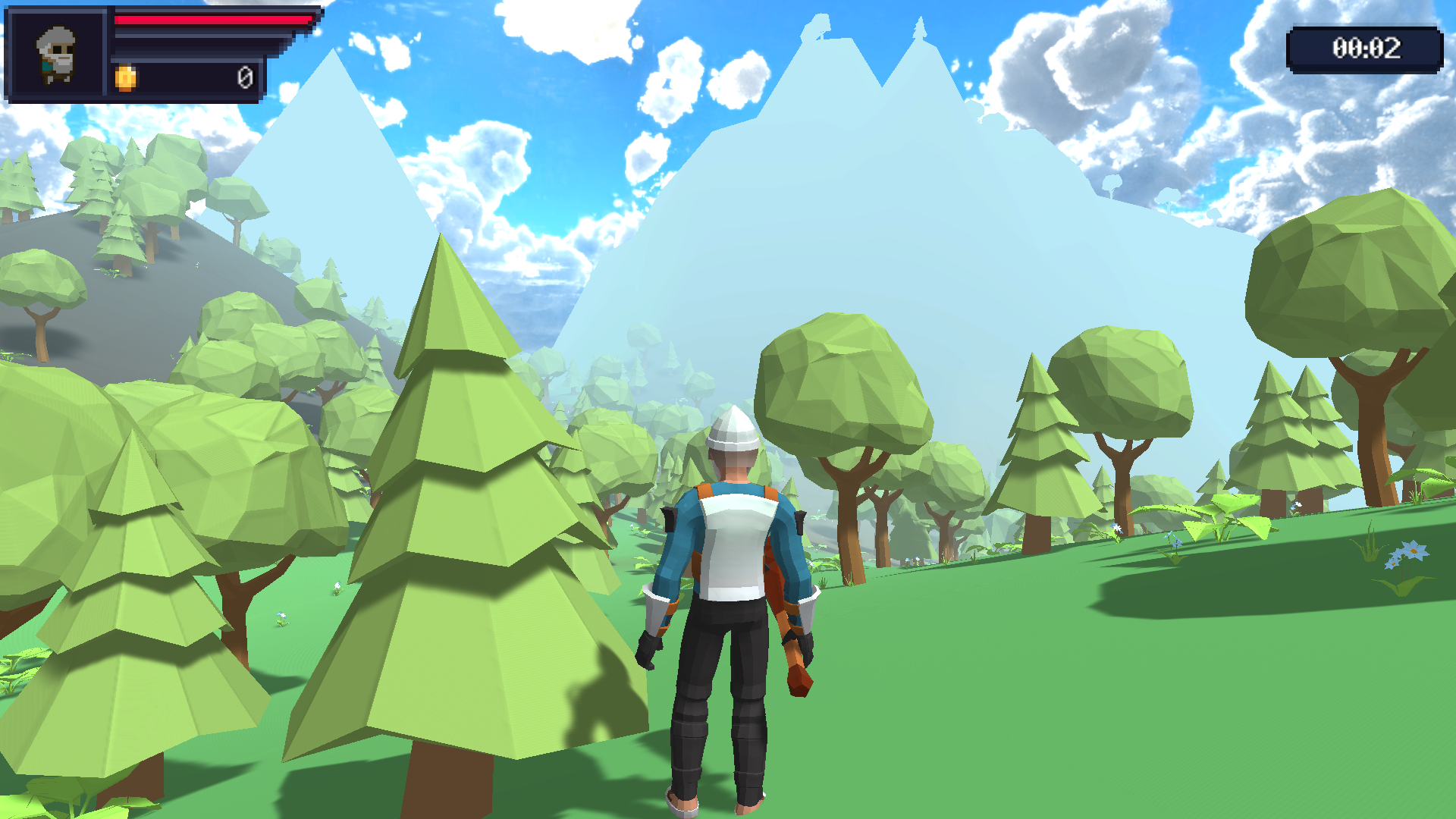
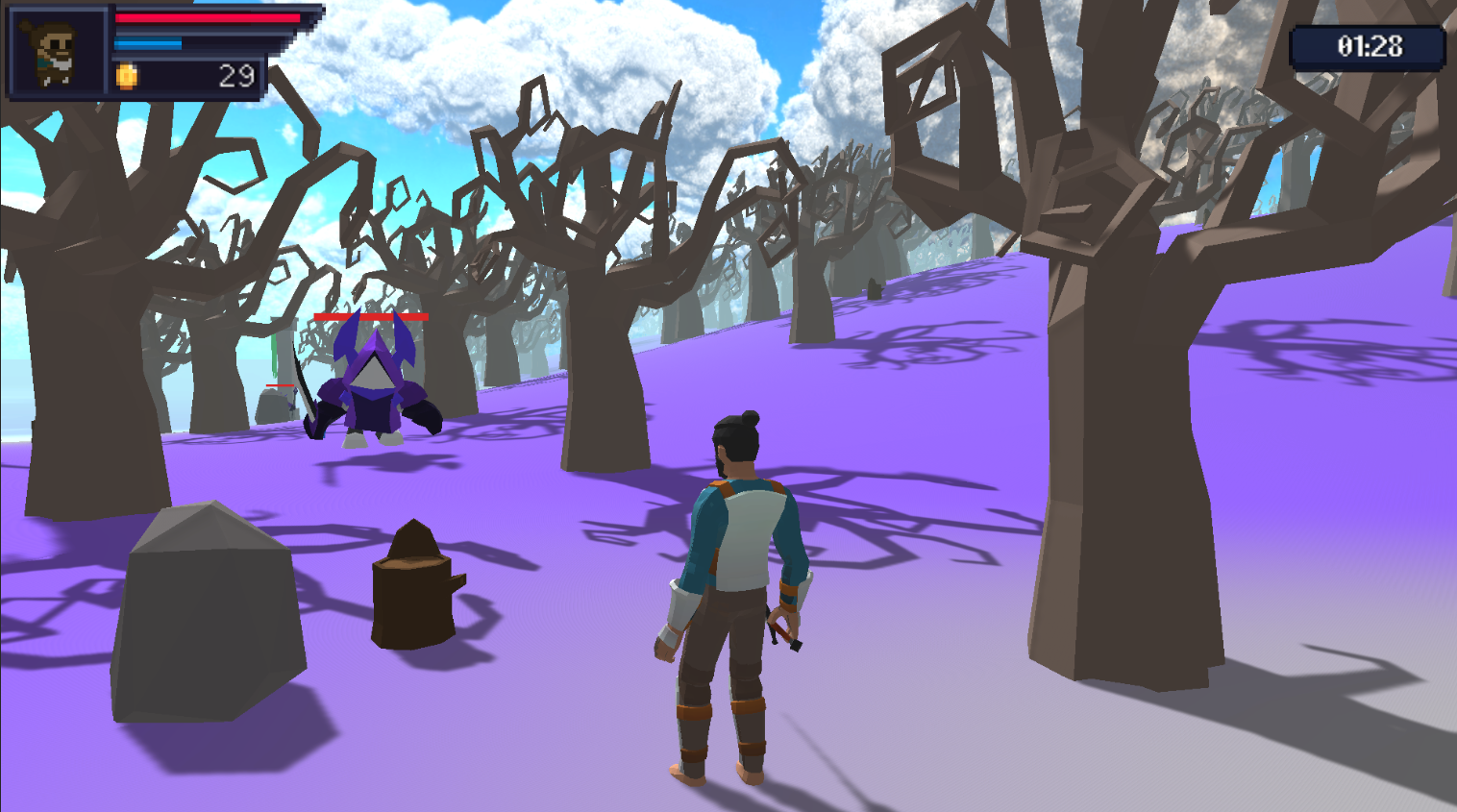
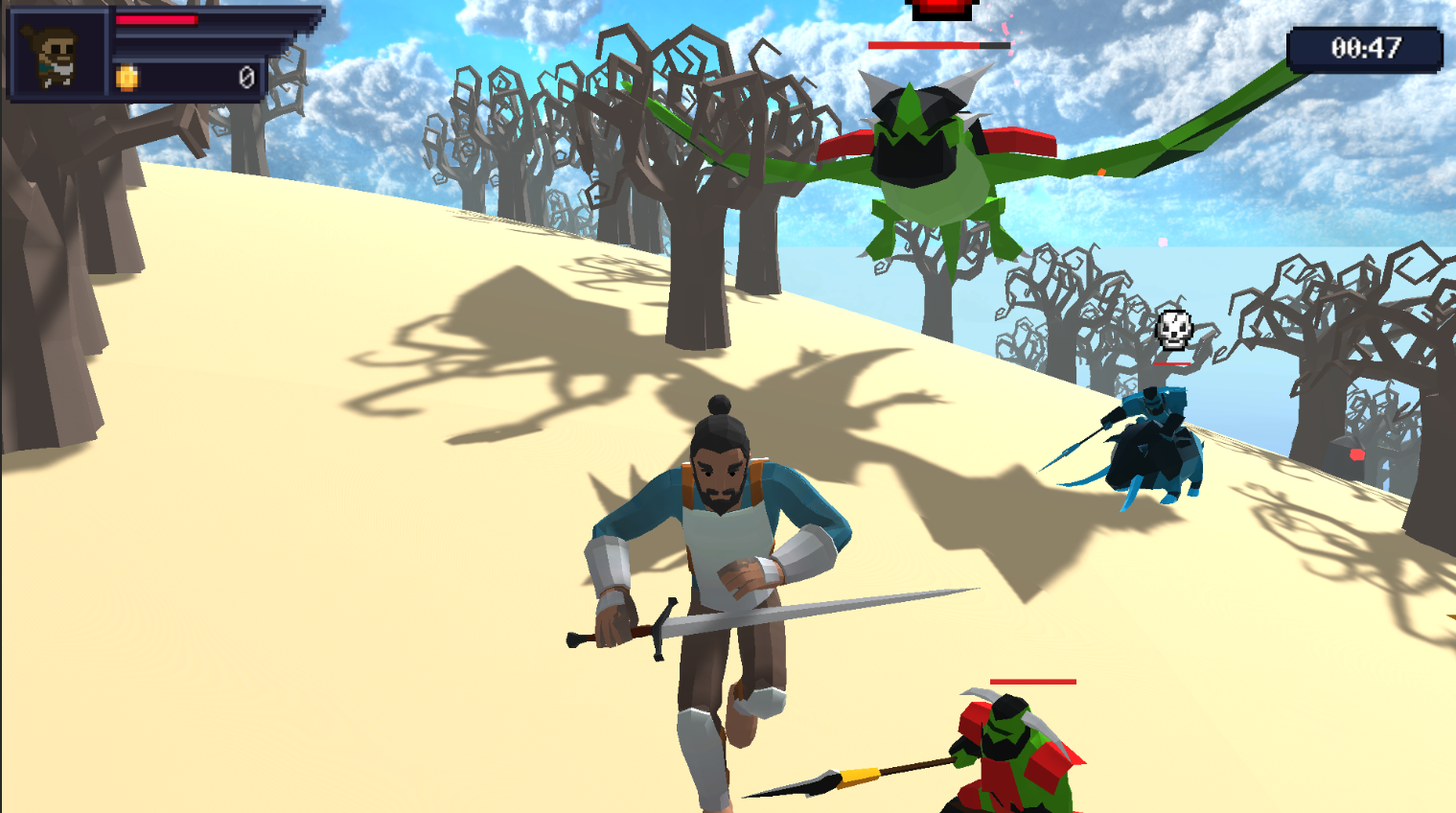
Outlander is a third-person action rogue-like, akin to Risk of Rain 2, the goal is to reach the final level or survive indefinitely while traveling across environments to gather item upgrades and fight enemies in the fastest way possible, as the difficulty and spawn rates of enemies scales with time. Killing enemies gives your player experience points to level up and gold to spend at the item shop that can be reached from defeating an environment's boss. Players are also rewarded with item upgrades upon defeating elite enemies summoned by spawners randomly scattered on each map. During the four months given for Outlander's development, myself and the team were able to conceptualize, plan, organize and produce the entirety of the project, which includes four distinct enemy factions, three unique classes, dozens of enemy types and over twenty item upgrades, as well as procedurally generated 3D maps.
Trailer
Images
Design and Concept
Classes
Outlander has three distinct classes for the player to choose from, each one has its own stats and abilities, so advantages and disadvantages. The heavy class has no mobility abilities and moves slightly slower than other classes, but it has high damage potential and large area of effect. The light class cannot directly deal large amounts of damage, but its high mobility with a grappling hook and stunning dagger can still give it an edge. Finally, the monk class can attack while moving at high speeds, and can also push enemies away to avoid being damaged by them. The monk can also stun nearby enemies for damage and respite.
Enemies
Every single enemy in Outlander is managed by the same handful of scripts, and all enemy attacks use a single script component, making it very easy to add new enemies. Moreoever, it is very easy to customize attacks to be unique, giving enemies special behaviours, like blocking attacks when the player is standing in front, pushing the player with a charge attack or even creating special types of projectiles to fire at the player. Each attack contains certain parameters : attack velocity, attack Time, attack Speed, movement speed debuff, attack cooldown, ranged projectiles, max enemies attacking player at once, minimum attack range, maximum attack range, max enemy bypass distance, attack hitbox, attack particles, attack sound and wind up sound, etc. Most melee enemies cannot all attack the player at once, as that would be unfair, so most enemies have to wait for their turn, or for other, specific conditions, like bypass distance, in order to begin attacking the player.
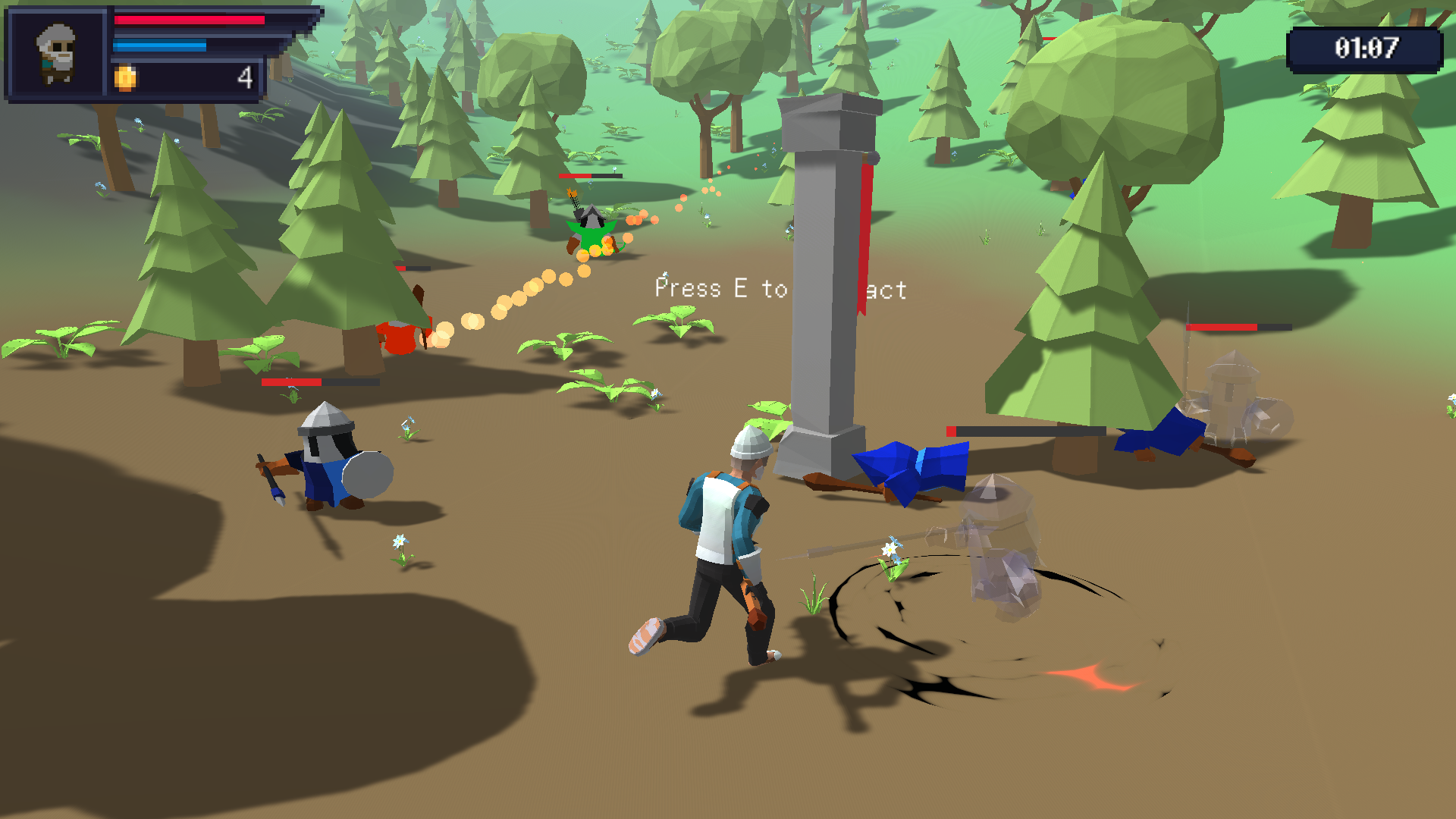
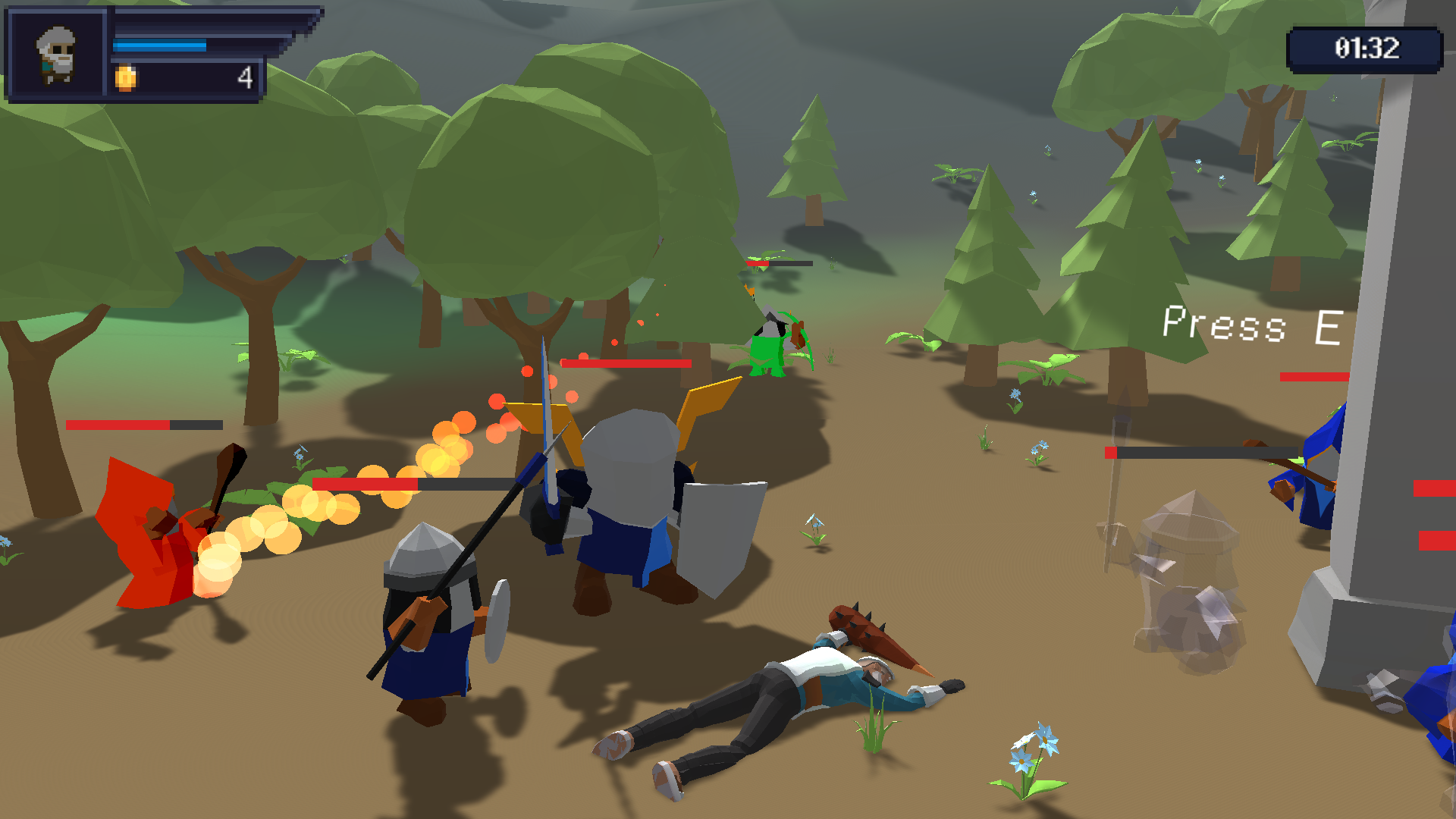
Any enemy can be given an "Elite" modifier, aside from changing the enemy's looks and sounds, it also changes their stats in specific ways. Steel Elites (metal colored) deal more damage and have way more health, while also gaining knockback resistance, while becoming much slower in both movement and attack speed. Fire Elites (red) also gain more health and damage, as well as inflicting the "OnFire" debuff to players, unless that player is granted immunity to that debuff. There are also shadow (quick, translucent elites), poison (poisonous, green elites) and frost (slowing, blue elites).
Items
Each item in Outlander is unique and gives substantial stat or ability upgrades, making the player noticeably stronger on pickup. This is to make each and every item feel powerful and important. Items range from giving simple statistical increases, like more attack speed, damage, health, regeneration, to new abilities like double jumping, cloning your character, creating a doppleganger that enemies will aggro, inflicting new status effects, etc. Certain items can even change your playstyle by making certain abilities much more powerful.
Combat
Each class mainly utilizes melee attacks to deal the majority of their damage. Some, like the Heavy Class, also possess AoE attacks and are capable of inflicting status effects with specific abilities. For example, the Light Class can throw a stunning dagger, which not only deals damage, but also inflicts "Stunned" to enemies. Stunned enemies take much more damage and cannot fight back for a small period of time. This makes the dagger throw ability very powerful, however it is tied to a cooldown, that can only be reduced by specific items, therefore balancing the ability while retaining its usefulness.
In melee combat, melee attacks are quick, and can easily used to maneuver around multiple enemies. Combat is quick, and specifically made to handle group fights in melee. Players can cancel any attack by dodging/dashing out of it, making them temporarily invincible. However, without specific mobility item upgrades, players can only dash once every one and a half second, leaving them vulnerable for some time after a dash. Players are given leeway to make mistakes, but they are still punished if they are too careless.
Similarly to Bloodborne, Outlander uses a temporary health regain mechanic called "Rally". This mechanic allows the player to regain some of their lost health after taking substantial damage. This not only allows players to stay in the fight longer, but it encourages a much more active and aggressive style of play, making for exciting battles.
Outlander also separates itself from most roguelikes by being a fast-paced, melee oriented 3D roguelike with procedural generation. Despite having similar design to a game like Risk of Rain 2, it also attempts to fix some of that game's core issues, like being forced to wait for enemies to spawn at the start of stages, or having to slowly charge teleporters to reach the next level, even after the boss is dead. Those issues are solved with the "Pillar Spawner" system Outlander uses, which allows players to spawn elite enemy types from pillars and, as soon as they are defeated, get rewarded with items. The same applies with the boss, who grants access to the shop and then the next level as soon as they are defeated.